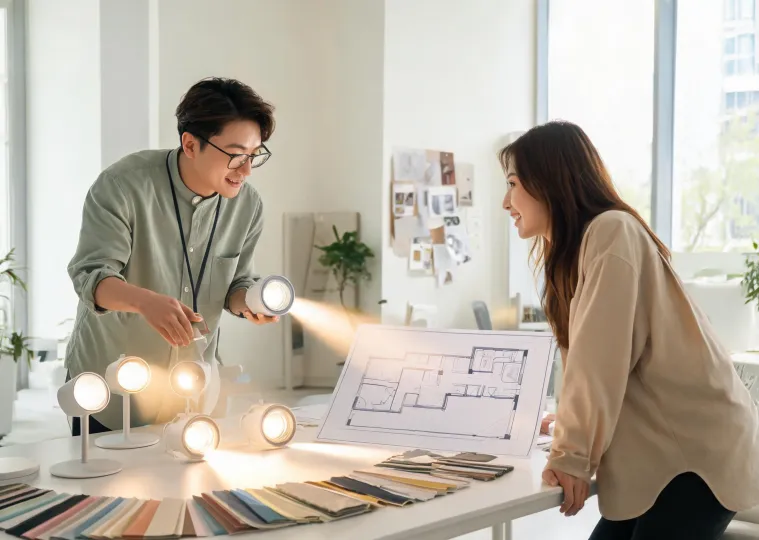
Legrand Lighting Guide
Use five practical questions to turn a broad product search into a shortlist that can be tested and documented.
Begin with the decision, not a favorite fixture
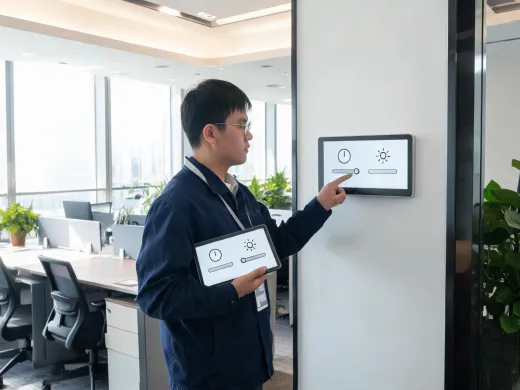
A useful lighting brief names what people need to see, when the space changes and who will maintain it. In an office that may mean comfortable screen work and daylight response; in retail it may mean precise beam placement and faithful material color. Establish mounting height, room reflectance, target illuminance, CCT and control responsibility before comparing appearance or price.
Budget works best as a whole-system boundary: luminaires, drivers, sensors, commissioning access and future service labor all belong in the conversation.
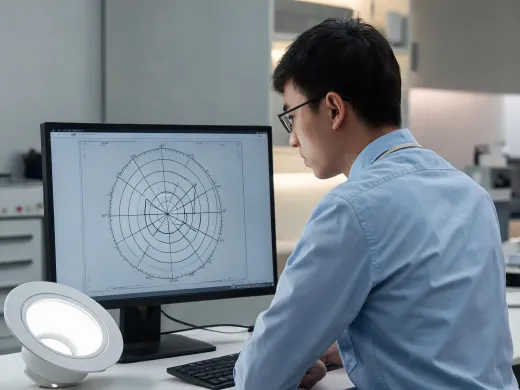
Photometric files let the design team test distribution in the real geometry. LM-79 data describes measured product performance, while LM-80 and TM-21 inform lumen-maintenance projection. These documents answer different questions and do not predict every installed condition.
Five questions for a better shortlist
Evidence to put beside the sample

Turn your room brief into a testable shortlist
We can organize the decision criteria and the evidence to request. Final photometric, electrical and code approval remains with the responsible project professionals.